About Certifications | Mechanical Insulation | Building Insulation
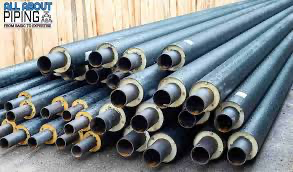
Insulation is defined as a material or combination of materials which retard the flow of heat. The materials can be adapted to any size, shape or surface. A variety of finishes are used to protect the insulation from mechanical and environmental damage, and to enhance appearance.
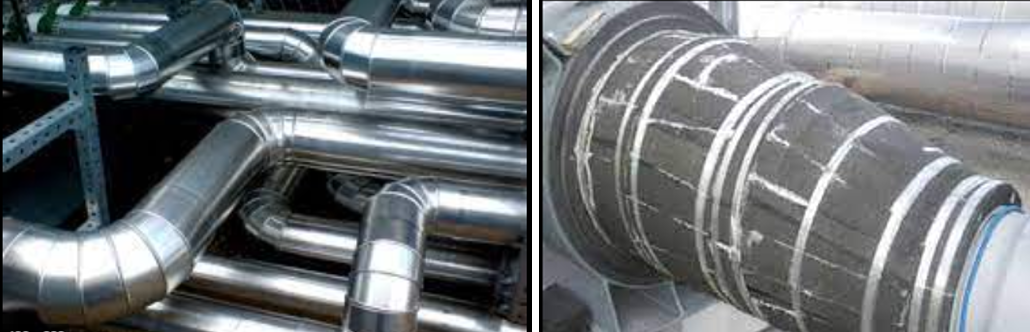
Insulation products are materials that insulate the components of mechanical systems in commercial buildings and industrial processes.
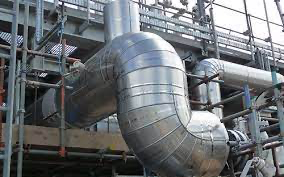
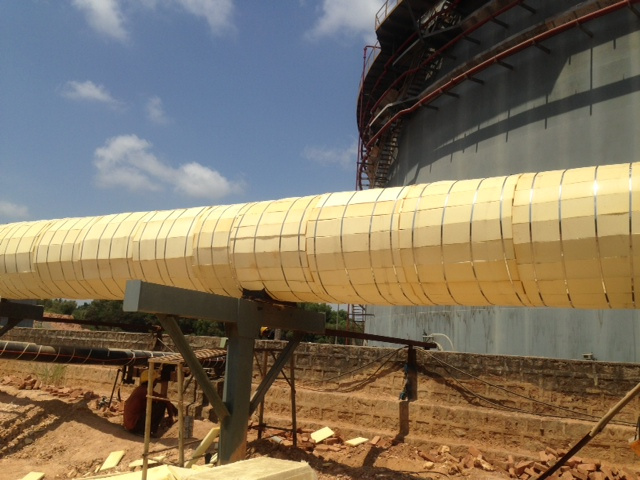
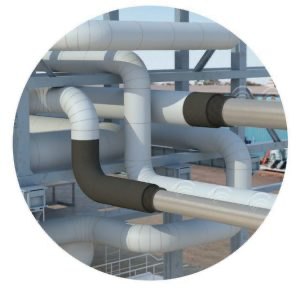
For industrial facilities, such as power plants, refineries, and paper mills, mechanical thermal insulations are installed to control heat gain or heat loss on process piping and equipment, steam and condensate distribution systems, boilers and storage tanks, amongst others.
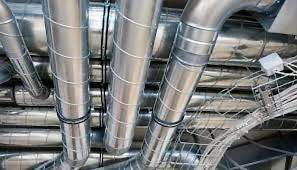
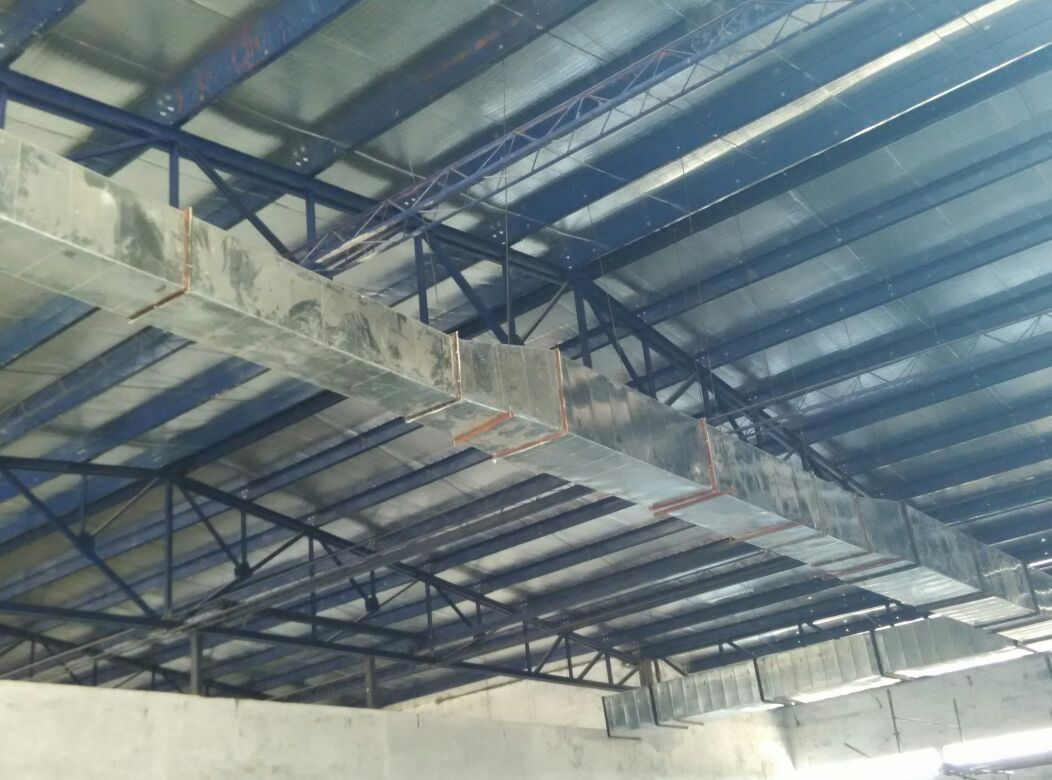
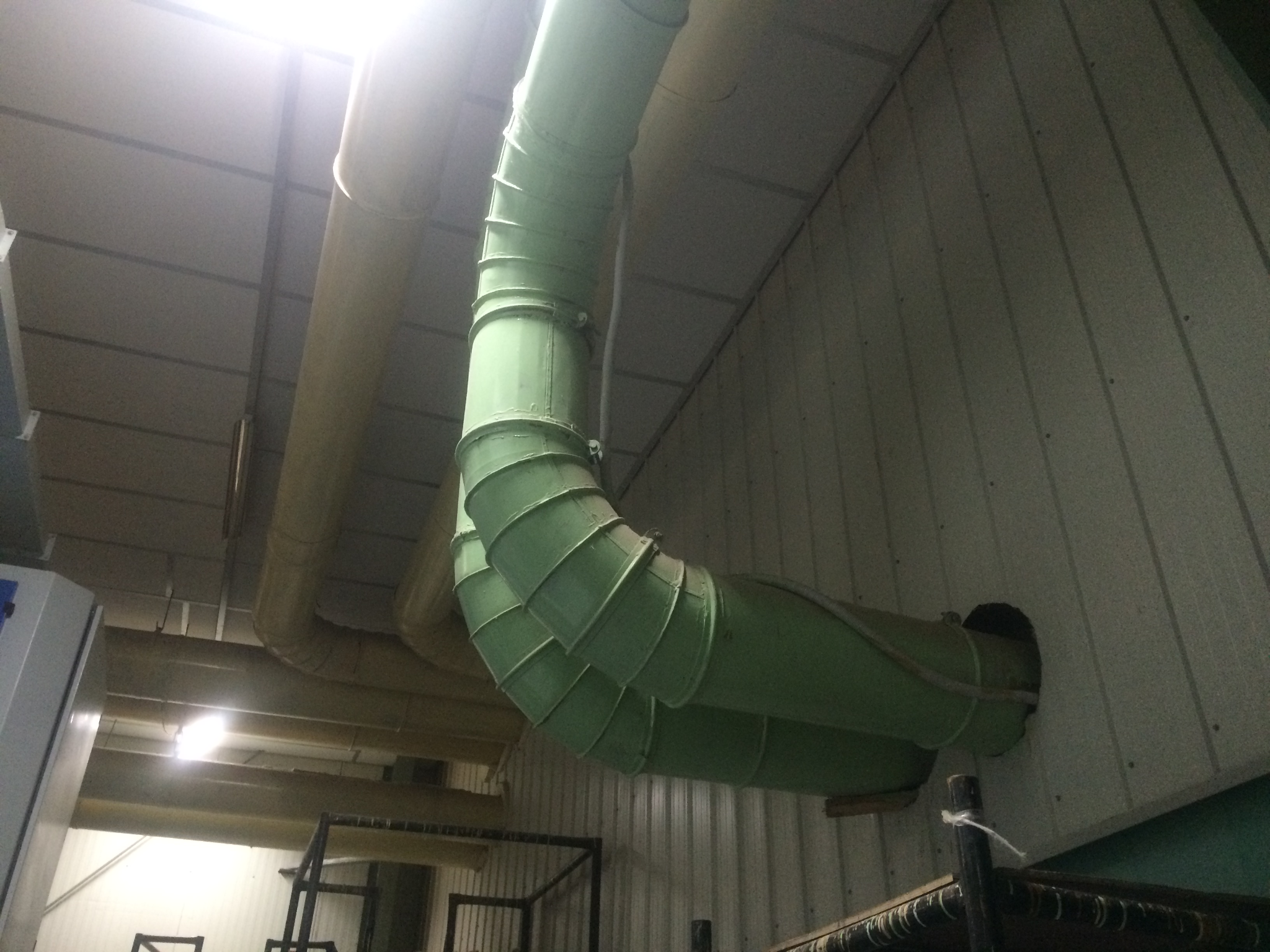
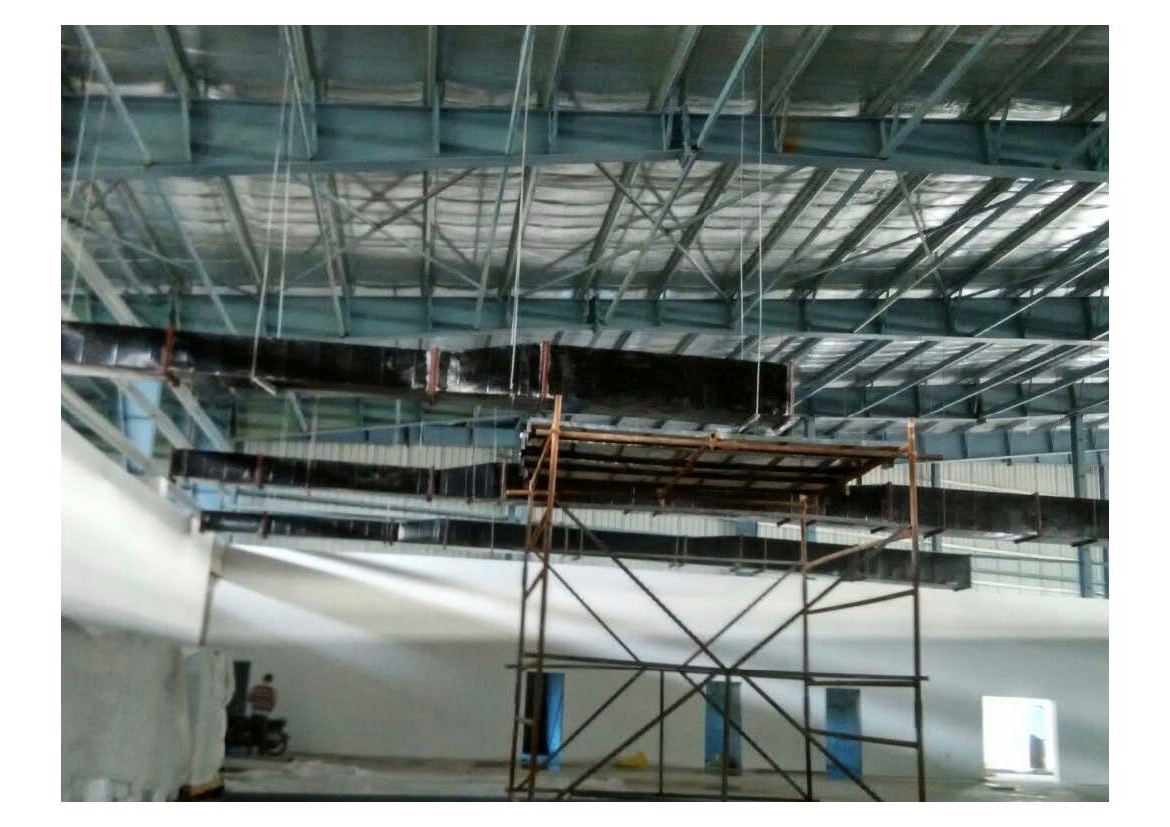
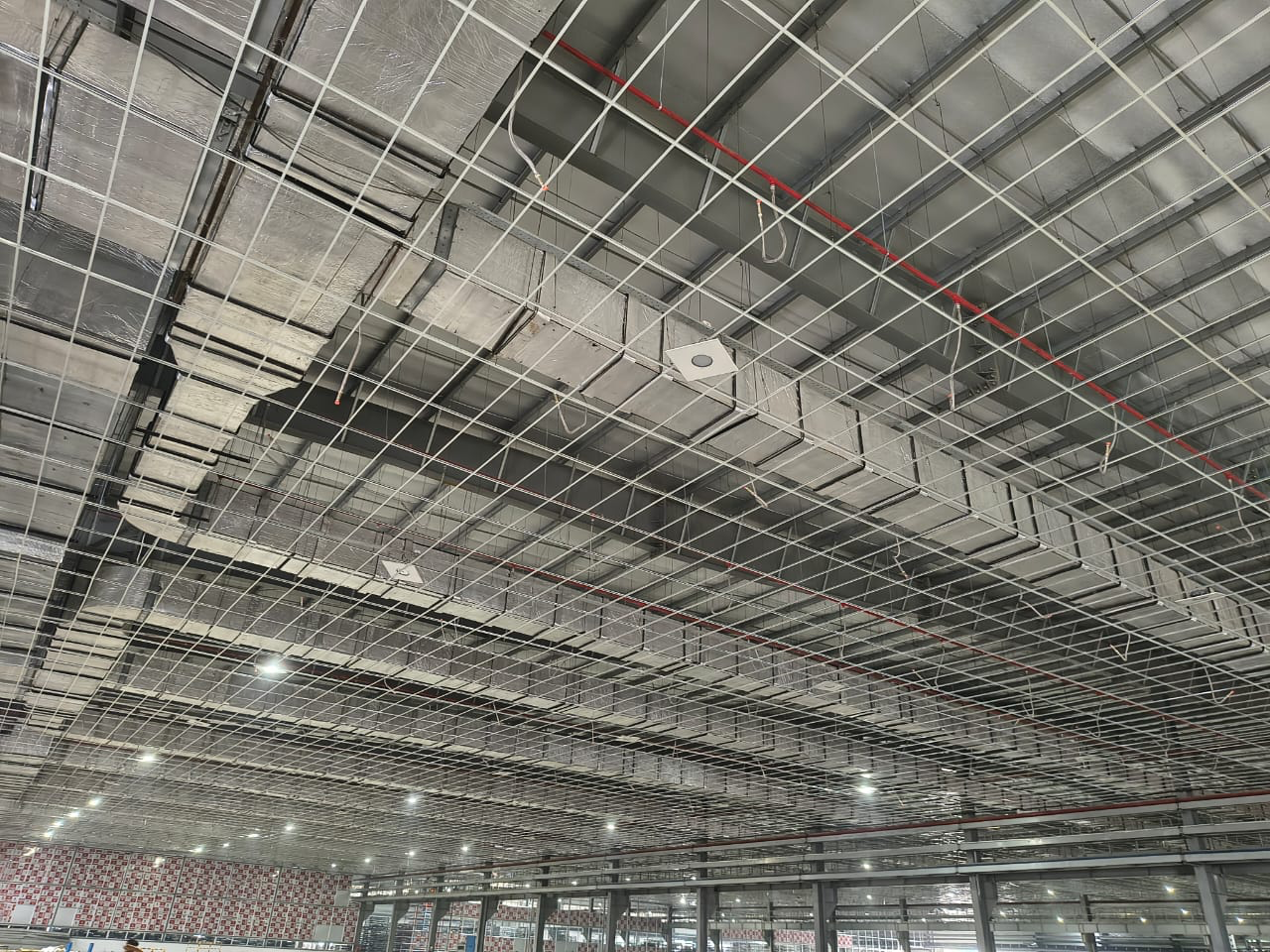
In buildings such as shopping centers, schools, hospitals, and hotels, insulation products are installed to improve the energy consumption of the buildings' cooling and heating systems, domestic hot and chilled water supply, and refrigerated systems including ducts and housings.
Insulation is used to perform one or more of the following functions:
-
Reduce heat loss or heat gain to achieve energy conservation.
-
Protect the environment through the reduction of greenhouse gases.
-
Control surface temperatures for protection.
-
Control the temperature of commercial and industrial processes.
-
Prevent or reduce condensation on surfaces.
-
Increase operating efficiency of heating/ventilation/ cooling, plumbing, steam process and power systems.
-
Prevent or reduce damage to equipment from exposure to fire or corrosive atmospheres.
-
Reduce noise from mechanical systems.
Insulation As an Investment:
Energy costs, combined with rising manufacturing and operating costs, guarantee an increasing return on any investment made in insulation. In fact, it costs less to insulate, than not to. In the case of steam process and heat, the difference in capital investment necessary to insulate (Plus the cost of insulation), still represents a significant capital investment savings. That insulation saves money is not the issue. The real issue is how much.
Insulate Today - Benefits:
Increase energy savings, protect equipment and personnel, increase process efficiency, prevent condensation, prevent excessive heat in fire, prevents excessive heat in fire Hazard areas, condensation, Control noise, Maintain temperatures.
Insulation is defined as those materials or combinations of materials which retard the flow of heat energy by performing one or more of the following functions:
- Conserve energy by reducing heat loss or gain. Control surface temperature for personnel protection. Maintain temperature control of a process.
- Prevent water condensation on cold surfaces.
- Increase efficiency of heating/ventilating/cooling, plumbing, steam, process and power systems, industrial applications.
- Prevent damage to equipment from exposure to fire or corrosive atmosphere.
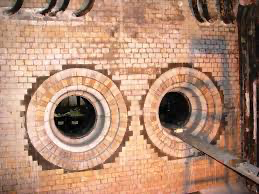
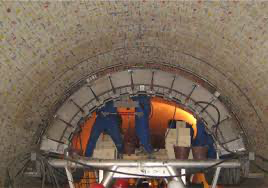
The temperature range within the term "thermal insulation" will apply, is from -73.3°C to 815.6°C. All applications below -73.3°C are termed "cryogenic", and those above 815.6°C are termed "refractory".
You can fill out the form below to request a quote or product information for your building insulation needs. This will help us understand your requirements and provide the right material, thickness, and product for your needs.